Why a Pie Shop Remains a Favorite Across Generations
@kameronsted209
October 23, 2026 · 15 min read


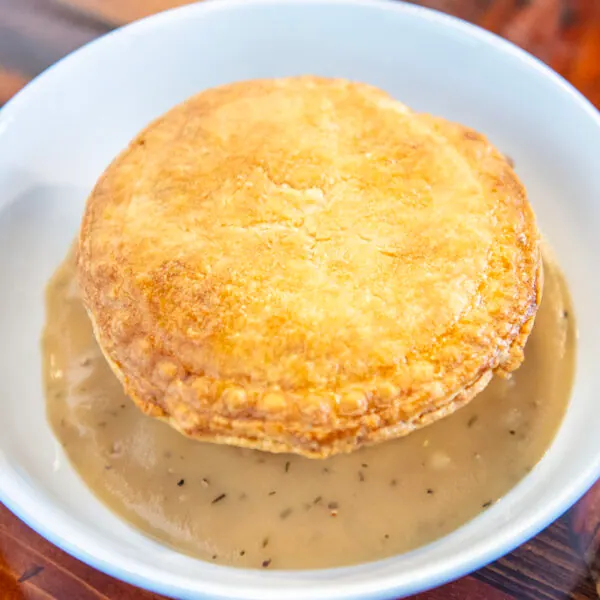
Walk into a good pie shop at midmorning and the appeal is obvious before you reach the counter. Butter in the air. Fruit cooking down in the oven. A case full of crusts that look hand-finished rather than engineered. It is one of the few food businesses that can draw a retired couple, a parent with two small children, a construction crew on break, and a college student looking for coffee and something warm, all within the same hour.
That broad appeal is not an accident. It comes from the way pie sits in people’s lives. Few foods carry memory as effortlessly. Fewer still work equally well for a quick weekday lunch, a Sunday family dessert, a holiday centerpiece, and a comfort purchase after a hard week. A pie shop does not need to invent emotional significance. It starts with it.
Still, nostalgia alone does not keep the lights on. Plenty of businesses trade on memory and fade anyway. A pie shop remains a favorite across generations because it solves a difficult business problem better than many trend-driven concepts do. It offers familiarity without sameness, indulgence without pretension, and craftsmanship that people can see, smell, and taste. It can feel timeless without becoming stale.
Pie is one of the few foods that belongs to every stage of life
Most enduring food traditions survive because they attach themselves to repeated moments. Pie does exactly that. Children meet it first at birthday parties, school events, church suppers, grandparents’ tables, and holiday dinners. Teenagers discover the savory side, a meat pie after sports practice or a slice of quiche on the way to class. Adults return to it when they begin hosting, bringing dessert to gatherings, or looking for food that feels grounded and generous. Older customers often come back for a taste that connects directly to family history.
That range matters more than many operators realize. A product that serves only one age group usually has to chase novelty to stay relevant. A product that naturally fits every age group can build habit instead. Habit is far more durable than hype.
I have seen this play out in neighborhoods where restaurants turned over every eighteen months, yet the pie shop kept a steady line. The customers changed by time of day, not by era. Early mornings belonged to retirees and remote workers. Lunch brought tradespeople and office staff. Midafternoon belonged to parents with children and people picking up whole pies for later. The menu did not need to reinvent itself every season to make that happen. It needed to be consistently good.
Familiarity is powerful, but only when quality backs it up
People often describe pies with warm, sentimental language, and there is truth in that. But customers are more discerning than sentimentality suggests. A pie can remind someone of childhood and still fail if the crust is tough, the filling is gummy, or the fruit tastes flat. Generational loyalty is not built on memory alone. It is built when the memory is honored by the product in front of the customer.
That is where a serious pie shop separates itself from a supermarket bakery. The difference is often visible before the first bite. Real laminated pastry or properly cut shortening crust leaves clues. Hand-crimped edges do not all look identical. Fruit fillings hold shape but still look alive. Savory pies vent naturally and brown unevenly in the way handmade food does. None of that is cosmetic. It signals process, and process shapes trust.
Trust accumulates quietly. A parent buys a peach pie in July, and it tastes the way peaches should taste, fragrant, bright, and a little messy. A few months later that same customer picks up an apple pie for Thanksgiving because the shop already proved it understands fruit, sugar, spice, and timing. Then a chicken pot pie for a winter weeknight. Then a pecan pie for a relative’s birthday. Loyalty grows from repetition of competence.
This is one reason a pie shop can survive changing food fashions better than businesses built around a single trend. Customers may flirt with the new thing, but they return to establishments that have earned confidence. Familiar food with strong execution has a long runway.
The best pie shops balance ritual and surprise
Too much consistency can drift into boredom. Too much novelty can break trust. The strongest pie shops understand that both stability and variation are necessary, especially if they want to stay relevant to multiple generations at once.
The stable side is obvious. Signature apple. Cherry. Key lime. Chicken pot pie. A dependable crust. Reliable coffee. Predictable hours during the holidays. These are anchors, and anchors matter because many customers are not looking for a culinary puzzle. They want the thing they came for, and they want it to be excellent.
The surprise comes through seasonality, local sourcing when feasible, and a willingness to respond to how people actually eat now. That might mean strawberry rhubarb in late spring, tomato pie at the end of summer, a bourbon pecan special in November, or smaller personal pies for households that no longer gather in groups of ten. It might mean gluten-aware options handled carefully enough to respect customers rather than merely market to them. It might mean savory lunch pies that acknowledge modern eating patterns, where a customer wants a practical meal rather than just dessert.
This blend of ritual and surprise is a major reason a pie shop remains interesting to families over decades. Grandparents come for the pie they have always loved. Younger customers discover a rotating special with fresh ingredients and feel the shop belongs to them too. Both experiences can happen under the same roof without conflict.
A pie shop gives craftsmanship a visible form
Many food businesses claim to be artisanal. Pie has the advantage of making craftsmanship legible. People can see the work. They understand, instinctively, that dough must be mixed correctly, rested properly, rolled with judgment, filled at the right point, and baked with precision. Even customers who have never made a pie know that a flaky crust is not an accident.
That visibility matters because it creates respect for the product. Consider what happens in open kitchens or shops with windows into the prep area. Customers watch bakers flour the bench, turn dough, trim edges, brush tops with egg wash, and move sheet pans in and out with practiced speed. Suddenly the price of a handmade pie makes sense in a way that a generic pastry case never could.
There is also an honesty to pie that people respond to. The structure is simple enough that there is nowhere to hide. If the apples were poor, you taste it. If the custard is overbaked, you see it. If the crust was handled too warm, it tells on itself. In an era crowded with heavily processed foods and overdesigned menu items, that kind of straightforwardness feels refreshing.
Professional bakers know how difficult apparent simplicity can be. Keeping crust tender in humid weather, managing fruit moisture, scaling seasonal production before holidays, https://felixhlns358.alderbrief.com/posts/how-a-pie-shop-perfects-both-sweet-and-savory-pies and maintaining consistency across hundreds of units is demanding work. Customers may not know every technical detail, but they recognize care when they taste it. Across generations, that recognition becomes part of the shop’s identity.
The emotional role of pie is unusually broad
Most beloved foods occupy one emotional lane. Ice cream is playful. Steak is celebratory. Soup is comforting. Pie covers far more ground. It can be festive, humble, mourning food, welcome-home food, breakfast food if no one is looking too closely, and a practical gift when words feel inadequate.
That versatility gives a pie shop cultural staying power. During holidays, it becomes part of ritual. During ordinary weeks, it offers relief. During difficult times, it provides a socially accepted way to show up for someone. Few gestures are as universally understood as arriving with a pie.
I have watched customers deliberate over whole pies at the counter with a seriousness that says a lot about the role the product plays. One is bringing coconut cream to an aunt who just got out of the hospital. Another wants a savory pie because a neighbor had a new baby and needs dinner, not dessert. A third is ordering six small pies for a family reunion because no one can agree on one flavor anymore. The transaction is commercial, but the meaning is personal.
Businesses that become woven into these moments are hard to replace. A pie shop does not merely sell baked goods. It participates in the rituals through which families remember one another.
Price, portion, and practicality matter more than people admit
Romance around food can obscure the practical side of why businesses endure. Pie has always had an advantage here. Whole pies are sharable. Slices are approachable. Savory pies can stand in for lunch or dinner. A customer can spend modestly or generously and still feel the purchase makes sense.
That flexibility allows a pie shop to serve a wider economic range than many specialty food concepts. Not every customer can justify a premium restaurant dessert, but many can justify a slice and coffee, or a whole pie for a gathering because it feeds several people. The perceived value is strong. People know what pie does in a household. It stretches.
For operators, the economics can also be more resilient than outsiders assume, though only with careful management. Fruit prices swing. Butter can become painfully expensive. Labor is skilled and time-sensitive. Waste is a risk. But the menu has natural opportunities for range. Mini pies, hand pies, slices, whole pies, savory offerings, coffee, and seasonal specials all let the business meet different budgets without abandoning its core identity.
Customers notice when a shop respects that reality. A well-sized slice, a lunch special, or a family pie that actually serves the number promised can do more for long-term loyalty than elaborate branding ever will.
The physical space invites people to linger without pressure
One underappreciated reason a pie shop lasts is environmental. The best ones are welcoming in a way that many food businesses struggle to achieve. They are neither as formal as full-service restaurants nor as transactional as chain coffee counters. A customer can stay ten minutes or an hour and still feel appropriately placed.
That matters across generations because each group uses the space differently. Older regulars may come for conversation and routine. Parents need a room where a child can finish half a slice and ask too many questions without anyone glaring. Younger adults often want somewhere unforced, not performative, where they can meet a friend, read, or work briefly. Pie shops tend to meet those needs naturally because their product encourages a slower rhythm.
Design plays a role. Sturdy tables, good light, visible pastry cases, the smell of baking, and staff who know when to chat and when to move the line all shape the experience. None of it needs to be expensive. In fact, overdesign often works against the category. People trust pie in spaces that feel lived in.
The strongest shops usually understand this instinctively. They do not chase hospitality trends that make the room feel too polished to relax in. They create places where customers can build routine. Routine is what turns affection into tradition.
Generational businesses understand the value of memory without getting trapped by it
Many successful pie shops are family-run, though not all. What they often share is a multigenerational sensibility. That does not mean they still use every recipe exactly as written fifty years ago. Usually, it means they understand what must not change and what should.
The crust may remain the same because it is the heart of the brand. The apple pie may stay intentionally classic because customers expect it to anchor the case. But operations evolve. Payment systems improve. Ordering moves online before major holidays. Packaging gets sturdier. Catering expands. New dietary needs are handled with more rigor than past generations required.
This ability to update without losing identity is rare and valuable. Businesses often fail at one extreme or the other. Some freeze themselves in nostalgia until they become inconvenient. Others modernize so aggressively that loyal customers no longer recognize what they loved.
A pie shop that remains a favorite across generations usually gets these judgments right:
- It protects the products customers consider sacred.
- It updates service in ways that remove friction.
- It adds new flavors carefully, not frantically.
- It trains staff to explain the menu in plain language.
- It remembers that regulars want recognition, not spectacle.
Those choices sound simple, but they are managerial discipline in practice. They require owners to know their actual customer base rather than an imagined one.
Holidays may drive volume, but ordinary days build the brand
Ask anyone who has worked in a serious pie business and they will tell you that holidays can be make-or-break periods. Thanksgiving, Christmas, Easter, and other regional celebrations can account for an outsized share of annual revenue. Production often moves from busy to relentless. Lead times tighten. Mistakes become costly.
Yet a pie shop cannot live on holiday demand alone. Its reputation is formed on ordinary Tuesdays.
That ordinary-day experience is what teaches customers whether the business deserves a place in their family traditions. Was the slice fresh at 2:30 p.m.? Did the savory pie have enough filling to count as lunch? Did the counter staff help a first-time buyer choose between cream and fruit pie without making them feel rushed? Was the coffee decent, not heroic, just competent enough to support the pastry?
These details sound small because they are small, individually. Collectively they shape memory. A holiday order is an act of trust built over dozens of uneventful interactions. The pie shop that thrives for decades is usually the one that respects weekday business as the foundation, not the filler between seasonal peaks.
Regional identity keeps the category alive
Another reason pie shops endure is that pie absorbs local identity better than many foods do. In one region, that might mean chess pie or shoofly pie. Somewhere else it means meat pies, berry pies, pecan pie, or a style tied to immigrant traditions. Local fruit harvests shape the calendar. Community taste shapes sweetness, spice, portion, and crust preference.
This adaptability lets pie remain familiar without becoming generic. A traveler may visit a pie shop because the concept is recognizable, then leave remembering a flavor rooted in that specific place. Residents come back because the shop reflects the region’s habits rather than flattening them.
That connection matters more now, when so much retail food feels standardized. People want some businesses to remain distinct. A pie shop can do that elegantly, without turning itself into a museum piece. It can be local and contemporary at the same time.
What younger customers are really responding to
There is a tendency to assume younger generations only want novelty, visual flair, or highly customized products. In practice, many younger customers are drawn to the same qualities that kept their grandparents loyal, just framed differently. They value authenticity, visible craft, ingredient transparency, and spaces that feel independent rather than algorithmically designed.
What changes is not the appetite for pie, but the surrounding expectations. Younger customers often want easier online ordering, clear allergen information, smaller formats, and menu language that is direct rather than quaint. They may be more interested in savory pies for lunch than in buying a whole dessert pie for a dinner party. They may discover a pie shop through social media, but they only return if the food itself earns the second visit.
A smart operator pays attention to those shifts without mistaking them for a rejection of tradition. The core appeal remains strong. People still want food that tastes real, feels generous, and carries some human touch.
Why the favorite pie shop becomes part of family language
Every lasting food business reaches a point where its name becomes shorthand inside families. “Bring the usual pie.” “Pick one up from our place.” “Granddad likes theirs better.” Once that happens, the shop has moved beyond commerce into custom.
That kind of attachment cannot be manufactured quickly. It is earned through years of dependable quality, clear identity, and emotional usefulness. Families build stories around food, and pie is especially suited to story because it appears at recurring moments. The same bakery box shows up at birthdays, wakes, graduations, Sunday visits, and long drives home. Children grow up seeing that box and later buy it themselves.
A pie shop remains a favorite across generations because it offers more than dessert and more than nostalgia. It offers continuity. The best ones understand that continuity is made from practical things, a reliable crust, honest ingredients, a room people want to return to, and staff who treat regulars like regulars. Over time, those practical things become something larger. They become tradition you can carry home in a box, set on a table, and share without explanation.
3.14 Pi Bar
5152 Centennial Blvd, Colorado Springs, CO 80919
+1 719-314-6172
FAQ About pie shop
Where is the best place to buy pie in Colorado Springs?
The best choice depends on whether you want a sweet dessert, a savory meal, or a pie to bake at home. 3.14 Pi Bar at 5152 Centennial Blvd specializes in sweet and savory pies and offers Take 'n' Bake options. Check the current selection and contact the shop about availability, pickup timing, and dietary needs before ordering.
Who makes the best pot pies in Colorado Springs, CO?
Preferences vary by filling, crust, and portion size. 3.14 Pi Bar offers hearty savory pot pies alongside its sweet pies. Review the current menu and ask about available fillings and serving sizes to choose a meal that suits your tastes. Specific varieties may change.
Who has the best apple pie in Colorado Springs?
Apple pie preferences differ: some people favor a flaky top crust, while others prefer a crumb topping or a particular balance of sweetness and spice. 3.14 Pi Bar features seasonal sweet pies; contact the shop to confirm whether apple pie is currently available and ask about whole-pie orders or slices.