A Beginner’s Guide to Ordering at Pie Cafe Colorado Springs
@kameronsted209
November 24, 2026 · 14 min read
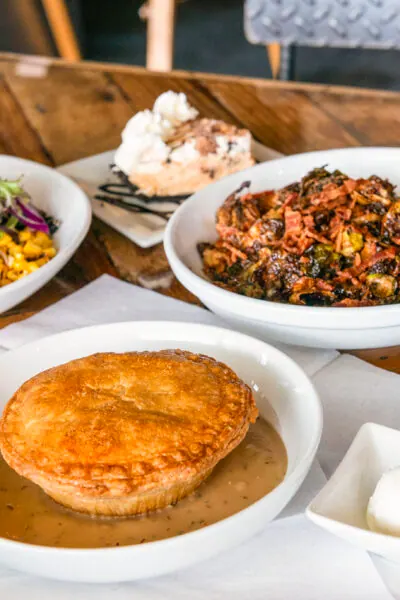

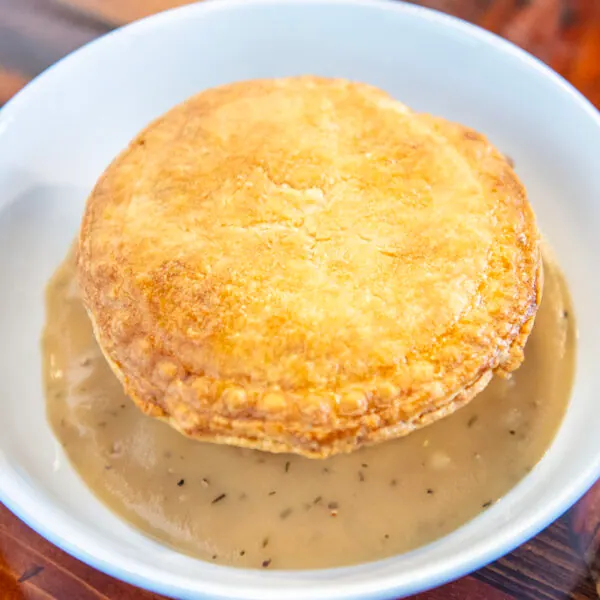
Walking into a pie shop for the first time should feel fun, not stressful. Still, when a place has a loyal following, a broad menu, and regulars who seem to order with total confidence, it is easy to freeze at the counter and default to the first thing you recognize. That is especially true at a spot like pie cafe colorado springs, where the name suggests dessert, but the experience can include far more than one quick slice of something sweet.
A good first order is not about finding the single “best” item. It is about matching what you want in that moment. Are you stopping in for coffee and a quiet break? Meeting a friend for lunch? Picking up dessert for dinner at home? Bringing something to an office gathering where presentation matters almost as much as flavor? The right order changes with the situation, and that is where beginners usually need the most help.
What follows is the kind of guidance I would give a friend before their first visit: how to read the menu without overthinking it, how to choose between a slice and a whole pie, what to ask if you have dietary preferences, and how to leave with something you are genuinely excited to eat.
Start with the kind of visit you want
The easiest way to order well is to decide what role the visit is playing in your day. Most ordering mistakes happen when people skip that step and order with their eyes instead of their appetite.
If you are dropping in alone, there is no pressure to make a grand choice. A single slice and a drink is often the smartest move, especially on a first visit. It gives you a clean introduction to the bakery’s style without committing to more than you need. If the slice wins you over, you can always return for a whole pie later.
If you are meeting someone, think about pace. A pie cafe tends to encourage lingering, which is part of the appeal. In that setting, a savory option paired with coffee, tea, or another drink usually works better than jumping straight to dessert. You get something substantial first, and you leave room to split a sweet slice after. That kind of order feels balanced and sociable. It also gives you more table time without the sugar rush arriving too early.
If you are buying for a group, the calculation changes again. Variety matters more than finding one personal favorite. One whole pie that pleases almost everyone is often more useful than two highly specific slices. Classic flavors tend to perform better in offices, family dinners, and mixed-age groups because they travel well and need less explanation.
This may sound obvious, but it solves a surprising amount of indecision at the counter. Before you even look closely at the case, answer one simple question: am I here for a meal, a treat, or something to share?
Learn the menu in broad categories
Beginners often look at a pie menu as one big field of options. That makes it harder than it needs to be. Break it into categories first.
Most pie cafes work across a few familiar lanes: savory pies, sweet fruit pies, richer custard or cream pies, and drinks or cafe staples that support the pastry side of the menu. Once you know which lane you are in, the choice gets narrower and much more manageable.
Savory pies usually make the best first meal order. They are practical, filling, and easier to pair with a coffee or side. If you arrive hungry, this is usually where your attention should go first. A good savory pie should have a crust that holds its shape without turning tough, and a filling that stays distinct rather than collapsing into a mushy center. That balance matters more than novelty.
Fruit pies are often the safest sweet choice for a first visit because they tell you a lot about the kitchen. A fruit pie reveals whether the filling has enough brightness, whether the sweetness is controlled, and whether the crust can stand up to moisture. Apple, berry, cherry, or seasonal fruit options often act as a bakery’s calling card because there is nowhere to hide. If the fundamentals are strong, you will notice.
Cream and custard pies sit on the richer end of the spectrum. They are excellent when you want something indulgent, but they are not always the best “starter pie” unless you already know you love those textures. A silky chocolate or coconut pie can be memorable, though it is a bigger commitment than a fruit slice, especially if you are also ordering a drink.
The cafe side of the menu matters more than many first-timers expect. A thoughtful drink pairing can sharpen flavors, cut sweetness, or turn a quick stop into a relaxed break. Dark coffee with a sweeter pie is a classic move for a reason. Tea can be better if you want something gentler. If you choose a savory pie, a simple drink often keeps the meal from feeling too heavy.
How to order if you feel overwhelmed at the counter
Display cases are beautiful and dangerous. They encourage impulse. That can be fun, but if you are brand new, it helps to have a short process.
Here is a simple approach that works well on a first visit:
- Decide whether you want savory or sweet before you step up.
- Ask what is especially fresh or popular that day.
- Choose a slice if you are learning the menu, a whole pie if you already know the crowd you are feeding.
- Pair it with a drink that balances the richness rather than matches it.
- If you are torn between two slices, pick one now and note the other for next time.
That sequence keeps the decision practical. It also gives the staff a fair chance to guide you. “What is good?” is too broad to be useful. “I’m deciding between a fruit pie and something richer, what are people loving today?” gets you much better information.
One thing experienced customers understand is that availability can shift. Popular flavors sell out. Seasonal options come and go. A pie that is perfect in late summer may not be the same pie you would prioritize in winter. Flexibility helps. Treat the menu as partly fixed and partly alive.
The case for ordering a slice first
There is a quiet confidence in starting small. Plenty of people think buying a whole pie makes them seem decisive or festive, but if you are still learning a bakery’s style, a slice is often the smarter purchase.
A slice lets you evaluate three things that matter more than marketing. First, the crust. Is it flaky, sturdy, and properly baked through the bottom? Second, the filling. Does it taste of real fruit, real spice, real chocolate, or is it simply sweet? Third, the proportion. Some shops overload filling and neglect structure. Others build beautiful crusts but underseason the interior. You can spot these differences quickly with a single slice.
Slices are also easier for appetite management. A lot of beginners order too much because a pie cafe feels like a special outing. There is nothing wrong with treating yourself, but not every visit needs to turn into a holiday table. A slice gives you enough to enjoy the experience without crossing into regret.
If you are with another person, splitting two different slices is often the best beginner strategy of all. You get range, comparison, and enough food to make the stop feel worthwhile. It is one of the few moments where sharing genuinely improves the experience instead of shrinking it.
When a whole pie makes sense
There are strong reasons to order a whole pie, and not all of them involve large gatherings. Sometimes it simply makes sense from a value and convenience standpoint.
A whole pie is a good choice when you know the flavor profile will suit your audience, when you need a reliable dessert for later in the day, or when you want leftovers that hold up well. Fruit pies usually travel better than more delicate cream-based options, particularly if your next stop is not home. That does not mean cream pies are off the table, only that logistics matter. Heat, travel time, and storage all affect the final experience.
If you are buying for a dinner, ask yourself how the pie fits the meal that comes before it. Rich meal, lighter dessert. Lighter meal, richer dessert can work beautifully. I have seen many hosts overdo dessert after a heavy main course and end up with half the pie untouched. On the other hand, a bright fruit pie after a savory, hearty dinner can disappear in minutes.
Whole pies also make sense for gifts. They feel thoughtful without being flashy, and they usually land well with families, neighbors, and coworkers. If you are using pie cafe colorado springs for gifting, choose something broadly appealing unless you know the recipient’s tastes well. Familiarity beats personal experimentation when the pie is meant for someone else.
Flavor choices for beginners, and what each one signals
A first order should teach you something about the bakery. That is why classics are often a better starting point than novelty flavors.
An apple pie, for example, tells you whether the kitchen understands spice restraint, fruit texture, and crust integrity. A great apple filling should not taste like cinnamon sugar with apples as an afterthought. You want fruit character, a little acidity, and slices or pieces that still feel like fruit instead of puree.
Berry pies reveal balance. Too much sugar and they turn flat. Too much thickener and they become gummy. Too little structure and you get a flood of filling the moment the slice moves. When berry pies are right, they deliver brightness and depth at the same time.
Chocolate or cream pies show off a different skill set. Here you are tasting smoothness, richness, and control. The texture should feel intentional, not heavy for the sake of being decadent. Sweetness matters even more in this category because there is often less acidity to lift the flavor.
Savory pies are a separate conversation. They can be the most satisfying first order if you arrive hungry. A good savory pie should feel complete, not like a side dish pretending to be lunch. You want filling that is seasoned, substantial, and still distinct enough to keep the crust from disappearing into the background.
Do not ignore the drink
At many cafes, the drink is just a supporting player. At a pie-focused shop, it can be the thing that turns a pleasant order into a dialed-in one.
Coffee is the obvious partner, but “coffee” covers a lot of ground. Darker, less sweet coffee works well with sweeter pies because it keeps the palate awake. If your dessert leans delicate or spiced rather than sugary, a milder coffee can be a better fit. Tea often works better with fruit pies than people expect because it lets the filling stay in front.
With savory pies, simplicity helps. If the food is rich, avoid making the drink rich too. That is not a rule, just a useful default. The goal is contrast, not duplication.
If you are unsure, ask for the pairing the staff sees customers enjoy most often with your chosen pie. That is a concrete question, and good cafe staff usually answer it well.
Seasonal choices are often worth the gamble
One of the pleasures of a local pie shop is that the menu can reflect the calendar. This is where beginners sometimes hesitate because seasonal flavors feel riskier than the classics. They can be, but they can also be where the shop shows the most personality.
Seasonal fruit pies often taste more vivid because they are built around ingredients that naturally belong to that time of year. The difference is not always dramatic, but when it is, you notice. A pie anchored in a fruit’s peak season usually needs less sugar and less intervention. That tends to produce a cleaner final result.
The trade-off is predictability. Seasonal pies may be available for a short window, and some sell out faster than staples. If you have your heart set on a specific flavor for an event, ordering in advance is the safe move. If you are browsing for yourself, though, a seasonal slice is a smart way to experience what the bakery is excited https://citysquares.com/b/3-14-pi-bar-25500872 to make right now.
Ordering with dietary preferences or restrictions
This is an area where a little directness saves everyone time. If you have a dietary restriction, ask clearly and early. Do not assume that a fruit-based pie is automatically suitable, or that a savory item is the only option with substance. Crusts, fillings, and toppings can all introduce ingredients you may be avoiding.
The best questions are short and specific. Ask whether a certain pie contains nuts, dairy, or another ingredient you need to avoid. Ask whether there are vegetarian options if that matters to you. If you are choosing for someone else, mention that too. Staff can usually guide you better when they know whether the priority is strict avoidance, general preference, or simply lighter eating.
If there is uncertainty, choose caution over optimism. Pie is supposed to be enjoyable, and uncertainty drains the fun from the experience.
A few beginner-friendly order ideas
If you want a practical starting point, these combinations tend to work well without overcomplicating the visit:
- A savory slice and black coffee if you are stopping in for lunch.
- Two different sweet slices to share if you are with a friend.
- One classic fruit pie for a family dinner or office dessert.
- A seasonal slice and tea if you want to learn the bakery’s style.
- A familiar flavor as a gift when you are ordering for someone else.
These are not rules, just dependable patterns. They work because they match the occasion to the order rather than chasing whatever sounds most impressive.
Timing, sellouts, and the smart way to plan
First-time customers often forget that pie shops are not infinite inventory machines. Some items move quickly, and a popular flavor later in the day may already be gone. If you have flexibility, earlier visits usually offer the fullest selection. If you do not have flexibility, adjust your expectations and stay open to staff recommendations.
For holidays, office events, and family gatherings, advance ordering is usually worth the small extra effort. That is especially true if the pie is carrying emotional weight, which holiday desserts often do. Nobody wants to show up to Thanksgiving or a birthday dinner with a backup dessert they chose under pressure because the intended one sold out.
Planning also matters for transport. If your pie will spend time in the car, think about temperature and stability. Fruit pies are generally forgiving. Delicate pies may need a gentler route home. Even a short drive can matter if the weather is hot.
What separates a satisfying order from a forgettable one
A satisfying pie order usually gets three things right: timing, appetite, and contrast. Timing means you are ordering what fits the moment, not what sounds good in the abstract. Appetite means you are honest about whether you want a meal, a snack, or dessert. Contrast means the pie, the drink, and the setting support each other instead of competing.
That may sound more analytical than a casual cafe visit deserves, but in practice it feels simple. You walk in knowing whether you want savory or sweet. You choose a flavor that matches either your curiosity or your crowd. You pair it sensibly. Then you enjoy it while it is fresh, without wishing you had ordered something else.
That is really the heart of ordering well at pie cafe colorado springs. You do not need insider knowledge, only a little clarity before you approach the case. Start with purpose, trust the classics if you are unsure, ask one or two good questions, and leave room to come back for whatever you did not choose the first time.
The beauty of a pie cafe is that it rewards repeat visits. Your first order does not need to be perfect. It just needs to be thoughtful enough to make you want a second one.
3.14 Pi Bar
5152 Centennial Blvd
Colorado Springs, CO 80919
(719) 314-6172
FAQ About pie cafe colorado springs
Does 3.14 Pi Bar serve sweet and savory pies?
Yes. The café serves savory pot pies and seasonal sweet pies made from scratch. Flavors can vary.
Can I order a whole pie to take home?
Yes. The café sells whole sweet pies to take home. Check the current menu for flavors and ordering options.
Does 3.14 Pi Bar offer take-and-bake pies?
Yes. The café offers prepared pies that you can bake at home. Check the current menu for available varieties.